 EN
EN

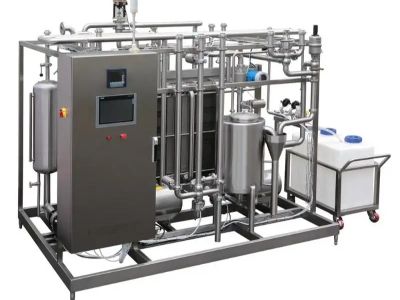
How CIP Systems Improve Industrial Tank Cleaning Efficiency
Cleaning tanks in industrial facilities is a critical part of maintaining product quality, workplace safety, and operational efficiency. Tanks are used to store a wide range of materials, including dairy products, beverages, chemicals, oils, and pharmaceutical ingredients. Keeping these tanks clean is essential to prevent contamination and ensure compliance with industry regulations.
Cleaning-in-Place (CIP) systems have become a preferred solution for modern tank cleaning because they allow equipment to be cleaned without disassembly. By automating the cleaning process, CIP systems save time, reduce labor requirements, and deliver consistent cleaning results across a variety of industries.
What Are the Benefits of CIP Systems for Tank Cleaning?
CIP systems offer several important advantages for industrial operations.
One of the biggest benefits is time savings. Traditional cleaning methods often require tanks to be dismantled and cleaned manually, which can take hours and interrupt production schedules. With a CIP system, cleaning is automated, allowing workers to focus on other tasks while the system operates. For example, in a dairy processing facility, CIP systems can quickly clean milk storage tanks and production lines, reducing downtime and increasing productivity.
Another advantage is improved resource efficiency. CIP systems are designed to use water and cleaning solutions more effectively than manual cleaning methods. This helps reduce operating costs while supporting environmental sustainability goals.
Worker safety is also significantly enhanced. Employees do not need to enter confined tank spaces or handle hazardous cleaning procedures directly. This reduces the risk of accidents, chemical exposure, and workplace injuries.
Most importantly, CIP systems provide consistent and thorough cleaning. They are engineered to reach all internal surfaces, removing residues and contaminants that may be difficult to eliminate through manual cleaning. This is especially important in industries such as food processing, pharmaceuticals, and beverage manufacturing, where hygiene standards are extremely strict.
In facilities that use equipment such as a bottle warmer, labelling machine, or autoclave, maintaining clean production systems is essential for ensuring product quality and regulatory compliance.
How to Choose the Right CIP System for Your Tank Cleaning Requirements
Selecting the right CIP system begins with understanding your operational needs.
The size and type of tanks being cleaned are important considerations. Larger tanks often require more powerful systems capable of circulating greater volumes of cleaning solution. Smaller tanks may only need compact CIP units with lower flow rates.
The type of product stored inside the tanks is another key factor. Different substances require different cleaning methods and chemical solutions. Dairy products, beverages, pharmaceuticals, and industrial chemicals each have unique cleaning requirements.
Facility layout should also be evaluated carefully. The design of the piping network, valves, and processing equipment affects how efficiently a CIP system can circulate cleaning solutions throughout the system. Facilities with complex piping arrangements may require customized CIP configurations.
Budget considerations are equally important. While advanced CIP systems may require a larger initial investment, they often deliver substantial long-term savings through reduced labor costs, lower water consumption, and increased production uptime.
By considering tank size, product type, facility design, and budget, businesses can identify a CIP solution that provides the best balance of performance and value.
Why CIP Systems Are Essential in the Food and Beverage Industry
The food and beverage industry relies heavily on CIP systems to maintain high standards of cleanliness and product safety.
Food-processing equipment must remain free from bacteria, residue, and contamination. If tanks and processing lines are not cleaned properly, harmful microorganisms can develop, potentially affecting product quality and consumer health.
CIP systems simplify this process by automatically circulating water, detergents, and sanitizing solutions throughout the equipment. This ensures consistent cleaning performance while reducing the need for manual labor.
In production environments that include packaging equipment such as a labelling machine, maintaining clean upstream processing systems helps protect product integrity and supports compliance with food safety regulations.
The automation provided by CIP systems also allows production facilities to operate more efficiently, minimizing cleaning-related interruptions and maximizing output.
Best Practices for Maximizing CIP System Performance
To achieve the best results from a CIP system, businesses should follow several key practices.
First, always follow the manufacturer's operating guidelines. Different systems may require specific cleaning cycles, temperatures, and chemical concentrations.
Selecting the appropriate cleaning solution is equally important. Different contaminants require different detergents and sanitizers. Using the correct solution improves cleaning effectiveness and reduces the risk of residue buildup.
Monitoring water temperature and pressure is another critical factor. Effective cleaning often depends on maintaining proper thermal and mechanical action throughout the cleaning cycle.
Regular maintenance should not be overlooked. Components such as pumps, valves, spray devices, and sensors should be inspected routinely to ensure reliable operation.
Employee training also plays an important role. Operators should understand how the system works, how to monitor performance, and how to respond to any issues that arise during cleaning cycles.
How CIP Systems Reduce Production Downtime
Reducing downtime is one of the most significant advantages of CIP technology.
In many manufacturing environments, production stops while equipment is cleaned. These interruptions can lead to lost productivity and increased operating costs.
CIP systems streamline the cleaning process by automating sanitation procedures and reducing the amount of manual intervention required. In many cases, one production area can continue operating while another undergoes cleaning.
Automation also improves consistency. Every cleaning cycle follows the same programmed sequence, helping maintain quality standards while reducing variability.
This benefit is particularly valuable in facilities that operate multiple production lines or use critical equipment such as an autoclave, packaging systems, and filling machinery. By minimizing downtime and maintaining reliable sanitation standards, CIP systems help businesses improve efficiency, increase production capacity, and reduce operating costs.
Conclusion
CIP systems have become an essential part of modern industrial operations. They improve cleaning efficiency, enhance worker safety, reduce water and chemical consumption, and ensure consistent sanitation results.
Whether used in food processing, beverage production, pharmaceutical manufacturing, or chemical processing, CIP systems help companies maintain high standards while maximizing productivity. Facilities that rely on equipment such as a bottle warmer, labelling machine, and autoclave can benefit significantly from the improved cleanliness and operational efficiency that CIP technology provides.
Investing in the right CIP system is a strategic decision that can deliver long-term savings, better product quality, and a safer working environment.
Table of Contents
- How CIP Systems Improve Industrial Tank Cleaning Efficiency
- What Are the Benefits of CIP Systems for Tank Cleaning?
- How to Choose the Right CIP System for Your Tank Cleaning Requirements
- Why CIP Systems Are Essential in the Food and Beverage Industry
- Best Practices for Maximizing CIP System Performance
- How CIP Systems Reduce Production Downtime
- Conclusion