 EN
EN

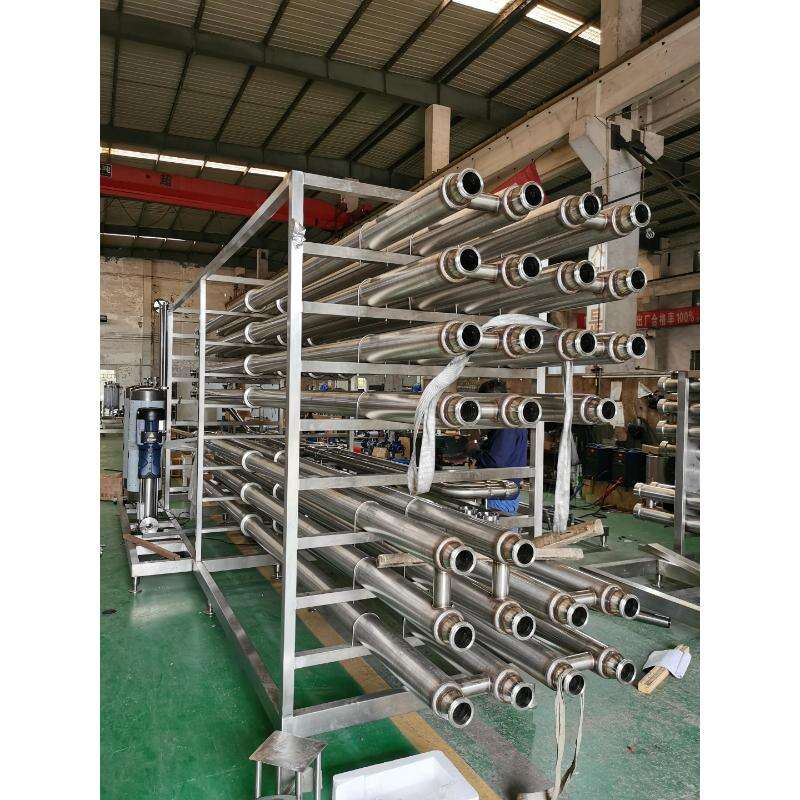
Plate heat exchangers are important tools used for move heat between two fluids. They commonly found in many industries, include food processing, chemical manufacturing, and HVAC systems. Two popular materials for plate heat exchangers are stainless steel and titanium. Each material has it own strengths and weaknesses. At Shanghai Changlong, we understand how big the selecting right material for specific uses. Let’s dive deeper into the differences between stainless steel and titanium plate heat exchangers and common issues that may arise with each type.
Stainless Steel vs. Titanium Plate Heat Exchangers: Key Differences and Applications
Stainless steel and titanium both strong materials, but they have different properties. Stainless steel known for it durability and resistance to rust. It usually cheaper than titanium, so it popular choice for many apps. However, it can prone to rust if not maintain properly, especially in harsh places. On the other hand, titanium much lighter than stainless steel and highly resist corrosion. This make it ideal for aggressive environments where others metal fail. But titanium cost more, which concern some companies. In general, stainless steel plate heat exchanger often used in food processing and HVAC, while titanium ones prefer in chemical process and marine apps because resist saltwater and harsh chem.
Common Challenges of Stainless Steel and Titanium Heat Exchangers and How to Address Them
When using stainless steel, some common problems can arise. One issue is it may corrode if exposed to certain chemicals and extreme temps. This lead to leaks, which stop the heat exchanger working right. Another problem that stainless steel become less efficient over time if get dirty or clogged. Regular cleaning and maintain are essential keep it run well. In contrast, titanium plate heat exchangers face fewer rust issues, but they can more brittle than stainless steel. If a titanium heat exchanger drop or hit suddenly, it may crack. Moreover, handling titanium need special care, can lead to extra costs for companies. At Shanghai Changlong, we offer both types and give advice on which material suite your needs best, so you get most from your investment.
In summary, when choose between stainless steel and titanium plate heat exchangers, it essential consider your industry needs and the environment where it will operate. Whether you prioritize cost, weight, or rust resistance, know these differences help make good decision.
What Makes Titanium Plate Heat Exchangers Preferred for High-Temp Apps?
Titanium plate heat exchangers often best choice for jobs handle really high temperatures. Why that? First, titanium very strong. It can stand hot temps without break or get weak. So if you work with hot liquids or gases, titanium keep working good. Another good thing about titanium it don’t rust easy. When metals rust, they get weak over time. But titanium stay strong even hot and wet. This make it perfect for places heat and moisture mix, like factories or power plants.
Also, titanium very light than other metals. This easier to move and install. When need put heat exchanger in tough spot, lighter material save time and effort. Plus, titanium has special corrosion resistance. Means it resist chem and stuff hurt metal. For example, cooling chem, titanium won’t damage easy. This toughness mean titanium heat exchangers last long without fix or replace. At Shanghai Changlong, we know reliable gear important, especially high temps. That’s why we offer top titanium plate heat exchangers build to last.
Where to Get High-Quality Stainless Steel and Titanium Plate Heat Exchangers at Wholesale Prices
If you look for high-quality stainless steel and titanium plate heat exchanger at wholesale prices, good place start is trusted suppliers like Shanghai Changlong. Buy bulk from reliable source, you can get better price. But how know if supplier good? First, check reputation. Read reviews or ask others in industry. Good supplier have experience and know about products.
Another thing look for is quality of materials. High-quality stainless steel and titanium should strong and durable. Also ask about warranties. Reliable company stand by products and help if problems. At Shanghai Changlong, we focus best materials, ensure customers get heat exchangers meet needs.
It smart compare prices from different suppliers. Even great reviews, prices not always lowest. Ask shipping and delivery too. This affect total cost. If find supplier with all you need, save money and time long run. Choose right source set you for success.
How to Maximize Efficiency: Stainless Steel vs Titanium Plate Heat Exchangers
When choose stainless steel or titanium gasket plate heat exchanger, think how get best from each. Both have strengths, know when use each maximize efficiency. First, stainless steel great for many projects because strong and cheaper than titanium. It work well in different temps and fluids. To make most of stainless steel, ensure design allow good flow. Fluids move easy without stuck. Keep clean key too. If build-up or dirt, slow process make less efficient.
On other hand, titanium best for high temps and corrosive spots. Get most from titanium, pay attention design and flow. Since lighter and handle higher heat, use where weight matter. At Shanghai Changlong, we guide choose right material for needs.
In summary, max efficiency come from know strengths of stainless steel and titanium. Select right type, keep clean and well-design, ensure systems run smooth. Whether stainless or titanium, goal make heat exchangers perform best long as possible.
Table of Contents
- Stainless Steel vs. Titanium Plate Heat Exchangers: Key Differences and Applications
- Common Challenges of Stainless Steel and Titanium Heat Exchangers and How to Address Them
- What Makes Titanium Plate Heat Exchangers Preferred for High-Temp Apps?
- Where to Get High-Quality Stainless Steel and Titanium Plate Heat Exchangers at Wholesale Prices
- How to Maximize Efficiency: Stainless Steel vs Titanium Plate Heat Exchangers