 EN
EN

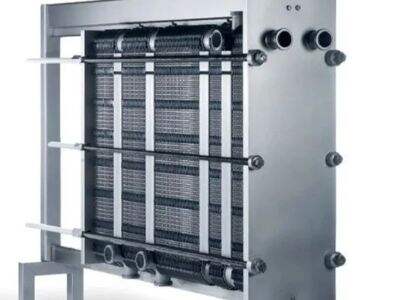
In many industry, heat exchangers are really important for transfering heat between two fluids. The two most common types is plate heat exchanger and shell and tube heat exchanger. People who buy them often ask which one better for their work. Shanghai Changlong they offer both kind and know well about different situation needs. Deciding between them depend on things like how efficient it is, the space you got, and also maintenance. So let’s look at main differences and when use each one.
What Are the Key Differences for Industrial Buyers?
Plate heat exchangers and shell & tube ones both move heat but they work different way. Plate type got thin plates stack together and this make lots small channels for fluids go through. Because of that they got bigger surface area then shell and tube for same size, so heat transfer more efficient usually. On other side, shell and tube have many tubes inside, one fluid go inside tubes while other flow around in the shell. These tend be bigger and more heavy compare to plate models. That make them good for big process or when need handle high pressure. For maintenance, plate exchanger easier to clean because you can take plates off and access channels quick. Shell and tube more complicate, need more time and work to open up. Cost also different - plate ones often cheaper at start but depend what efficiency you want. Shell & tube maybe cost more first but sometime save money later in some cases. Buyers need think about their own needs like space, efficiency and future service when pick one.
When to Opt for Plate Heat Exchangers Over Shell & Tube?
Plate heat exchangers good choice in many case. If you want save space, plate model are compact and fit in small place easy, perfect for smaller factory or tight area. They handle lower pressure and temperature fluids very well, so if your condition like that it can be smart pick. And efficiency is big reason too - they transfer heat better then shell & tube, this help save energy and cut cost over time. If process need clean often or maintenance regular, plate ones more easy for user. You just remove plates and clean fast, that big advantage. For industry need quick change in temp or flow, plate respond faster. But remember, if very high pressure or extreme hot, shell and tube maybe better. Overall, if care about save space, high efficiency and easy maintain, plate for heat exchanger from Shanghai Changlong could fit your need best.
What Are the Advantages of Plate Heat Exchangers in High-Temperature Applications?
Plate heat exchanger are special for transfer heat between fluids and they got many good point especially in high temp use. One main advantage is design - thin plates make many small channel so big surface in small space. When fluid pass, heat move very efficient, important when high temp and don’t want lose energy.
Another thing is they flexible, can work with different fluid hot or cold. This make good for food process, chemical making, oil refine where high temp common and need equipment keep up. With plate exchanger they adapt easy.
Also plate ones lighter then shell and tube, so install and maintain easier. For company like Shanghai Changlong this save time money. Easier install mean back to work faster. And cleaning more simple, in high temp buildup happen fast so regular clean help work better and last long.
In general plate heat exchangers excellent for high-temperature application. Their efficient design, can handle various fluid, light weight and easy maintenance make them stand out. For buyers choose plate can give better perform and equipment last longer, good investment.
Plate Heat Exchanger vs Shell & Tube for Cost-Effectiveness
For cost, both plate and shell & tube have strength but plate often better especially if budget tight. First reason is initial price - plate exchanger usually less expensive buy then shell & tube. Company can get good heat transfer thing without spend too much.
Also they more efficient when running. Heat transfer quick with less lose, so energy bill lower over years. This make them better long term.
Maintenance cost save too - easier clean mean less time money on service. Shell and tube need complex work, more labor and downtime expensive. For Shanghai Changlong this mean better money performance.
And plate ones adaptable, can expand or change easy without big upgrade. This avoid buy new one later when need change.
So when look cost-effectiveness, plate heat exchangers often better option for industrial buyer. Lower start cost, save energy, less maintain cost and flexible make them attractive for business watch bottom line.
What to Consider When Selecting Between Plate Heat Exchanger and Shell & Tube for Your Projects?
Pick right heat exchanger big decision for project. Several factor think about when compare plate and shell & tube. First space available - plate take less room because compact. If plant space limited plate might best. Shell & tube bigger not fit everywhere.
Next fluid type - plate flexible handle many fluid include dirty or with particle. If impurities lots plate more suitable. But shell & tube good for high pressure and certain fluid.
Temperature and pressure important too. Plate work well high temp as before. But extreme high pressure shell & tube safer, design for hard condition.
Maintenance also factor. If team can clean easy prefer plate - simple and save time money. If more experience with shell tube maybe stick that.
Finally budget - plate cost less upfront and run cheaper. Tight budget this key.
Company like Shanghai Changlong can guide you best choice for your need and money.
In summary when choose between plate heat exchanger and shell & tube look at space, fluid kind, temp pressure, maintenance and budget. Each have good point, understand this help make right decision for project.
Table of Contents
- What Are the Key Differences for Industrial Buyers?
- When to Opt for Plate Heat Exchangers Over Shell & Tube?
- What Are the Advantages of Plate Heat Exchangers in High-Temperature Applications?
- Plate Heat Exchanger vs Shell & Tube for Cost-Effectiveness
- What to Consider When Selecting Between Plate Heat Exchanger and Shell & Tube for Your Projects?