 EN
EN

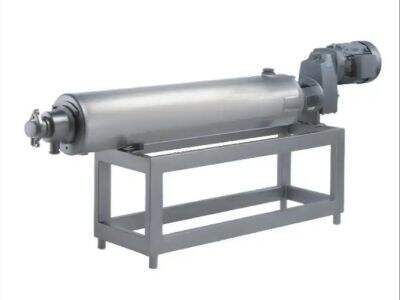
Choosing the right heat exchanger is a significant decision. Plate and shell-and-tube are the two most common types. Each has its own unique benefits and drawbacks. Plate heat exchangers are more compact and efficient, best suited for smaller-scale projects. Shell-and-tube are larger and ideal for higher-pressure applications. This article seeks to delineate the pros and cons of these two types of heat exchangers. Factors to consider when making a purchase and guidelines to ensure you are choosing the best equipment for your needs are outlined in detail to provide help in making an informed choice. Shanghai Changlong is here to help you find the most appropriate heat exchanger solution for your project.
What you will need when buying in wholesale?
The first consideration when buying heat exchangers wholesale is the desired size and capacity. For small-scale projects, it makes the most sense to purchase a plate heat exchanger as they are small and lightweight and take up less space than shell and tube type heat exchangers, and thus are less costly and save you money on shipping and installation. For larger-scale projects, shell and tube type heat exchangers are preferred due to their high pressure resistance and flow rate. Next it is important to note what materials your heat exchanger is made from. The most common materials are stainless steel, as they are strong and resistant to corrosion but are also more expensive. If you are on a budget other less expensive metals can be used however they will not last as long, so long term value should be considered before purchase. Finally, the manufacturer is an important part of the purchasing process; a well known manufacturer such as Shanghai Changlong, will be more reputable than an unknown one, meaning you should receive quality support, service, and installation. Finally do not forget to familiarize yourself with the warranty policy of your supplier, and what to do when they take the products back and what your return policy will be. Finally pay attention to market development trends to make the most optimal purchase possible.
How to choose between a plate and shell and tube heat exchanger for your project?
Which is better for your project, a plate or shell and tube heat exchanger? This is an important question for many to ask themselves. Both have their own specific uses and advantages, which we will touch on below. Plate heat exchangers are more efficient than their counterparts because of their larger surface area to volume ratio, thus energy will not be lost in heat and will allow you to save on space because of the minimal volume it uses compared to other types. Plate heat exchangers can also be used for a variety of applications where a minimal amount of space is available. Shell and tube heat exchangers are useful because they possess a high corrosion resistance and can withstand higher pressures and temperatures making them ideal for the petrochemical industry. They are also very easy to clean and maintain which is ideal for a food, drink, or pharmaceutical environment. In terms of maintenance and cleaning it is more tedious to clean a plate heat exchanger due to the vast number of individual channels, but plate heat exchangers can be dismantled and cleaned more effectively than shell and tube types, which have fewer parts but require a more difficult cleaning process. In terms of initial cost a plate heat exchanger is cheaper to buy but more expensive to maintain in the long run, shell and tube heat exchangers are initially more expensive but will not require as much maintenance over their life. No matter which heat exchanger you require Shanghai Changlong will have an appropriate model for you and is sure to be able to fulfill your needs whether you are after something that saves space and energy (plate heat exchanger), or a more durable option (shell and tube heat exchanger).
Plate Heat Exchangers Vs Shell and Tube.
What is a heat exchanger used for? Heat exchangers are utilized when heat transfer between two fluids is necessary. There are many designs of heat exchangers with two very common ones being the plate and the shell and tube heat exchangers. Shanghai Changlong would like to outline the use of these devices to help our customers in choosing one for their specific needs. A plate heat exchanger is one that utilizes a stack of thin corrugated plates; heat transfer takes place between two flows separated by these plates, where a hot fluid flows over one side and a cold one on the other. The plate heat exchanger is often chosen over a shell and tube heat exchanger when space is at a premium as its compact nature makes it significantly more efficient and therefore less large. A shell and tube heat exchanger is one with a bundle of tubes inside a casing where one of the two fluids flows through the tubes and the other is pumped around them. These devices have a high thermal resistance and can withstand the high temperatures and pressures required in some industrial applications; they are also more durable but require more space and are harder to clean than a plate heat exchanger. Shanghai Changlong wants to serve our customers by helping them find the optimal solution for their specific situation.
Identifying Common Problems within Shell Tube Heat Exchangers.
Even though shell and tube heat exchangers are immensely valuable they still have a range of potential problems which can save you cost and trouble to identify. The first problem which is more common in some situations than others is leakage; fluid from either the hot or the cold section will find itself in the wrong section and it can result in decreased efficiency, or even hazards, some symptoms of this occurring would be visible drips, a loss of system pressure or wet patches appearing on the outside of the casing. Corrosion is another issue where the shell and tube heat exchanger could be rusting. Rust on a surface could mean that the metal casing is corroding, but more severe or rapid corrosion could lead to system failure. Symptoms of this are discoloration of surfaces, or textural change. Fouling is a further potential problem. Over time the passageways of a heat exchanger may begin to clog with scale and dirt from the fluid flowing through it. This reduces the effectiveness of the heat exchanger; heat can only be transferred at a slower rate and this is an indicator of fouling. Shanghai Changlong takes great care in designing and building the highest quality shell and tube heat exchangers that have a minimized chance of facing any problems.
The Cost Benefits of Using a Plate Heat Exchanger for wholesale purchases.
Purchasing wholesale heat exchangers allows you to realize various cost benefits. First off plate heat exchangers will require a lower upfront cost due to them needing less material and simpler design to be manufactured in comparison to the bulkiness of a shell and tube type. They are also energy efficient, so they require less energy which means the long-term running costs of a plate heat exchanger are cheaper due to having lower energy expenditure compared to a shell and tube type which also has the potential of quicker return on investment. Plate heat exchangers also have lower maintenance costs as they are easier to clean and require less upkeep than a shell and tube type heat exchanger which may need a replacement or re-tubing in certain situations. Therefore a plate heat exchanger will save you money when buying them wholesale and also cost less money in the long term due to being less costly to maintain and operate. You can be sure that with Shanghai Changlong you will receive top of the range, durable plate heat exchangers at low cost.
Table of Contents
- What you will need when buying in wholesale?
- How to choose between a plate and shell and tube heat exchanger for your project?
- Plate Heat Exchangers Vs Shell and Tube.
- Identifying Common Problems within Shell Tube Heat Exchangers.
- The Cost Benefits of Using a Plate Heat Exchanger for wholesale purchases.