 EN
EN

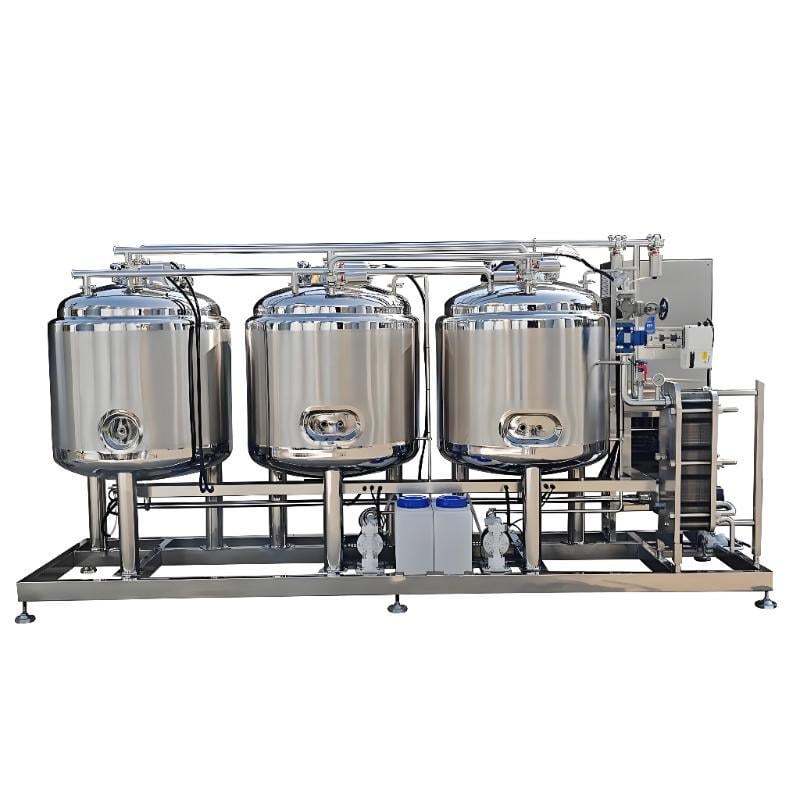
Cleaning In Place, or CIP, are a key process in factories, specially the ones making food and drinks. It involve cleaning machines and pipes without disassembling them. This save time and keep things safe and clean. Shanghai Changlong know how vital a good cleaning system is. When clean, product are better and customers happy. In todays world, geting CIP how it work and why it matter can help business do well. Clean machines not only help make better product but also smooth the whole process.
How CIP Improves Product Quality in Wholesale Making
CIP play a big part in keeping products safe and good tasting. Think of a factory make juice. If machines dirty, juice can spoil or taste bad. CIP mean machines cleaned without stoping production too long. So juice stay fresh and yummy. Clean machine also mean less chance of germs in food. For example, factory use CIP after one juice flavor then switch another, it prevent flavor mix. This keep quality high, customers come back. And another reason CIP important because it save money. Clean machines work better and last longer. If machine break from not cleaning right, fix cost alot. With CIP, factories avoid these problem. Also workers spend less time manual cleaning, which hard work. In short, CIP boost product quality and help company save money time.
Where Put Effective CIP Systems in Your Factory
Know where use CIP systems in factory is key for best results. First, check areas where food or drinks made. These place need clean all time. Thats why CIP in production lines a must. Like, bottling section for drinks need CIP to keep safe and tasty. In addition, mixing areas for ingredients important for CIP. If mixers dirty, final product not good. CIP here make sure every batch use clean machines. Like clean kitchen for great meal. Also storage tanks. They hold liquids before pack. If not clean, liquid spoil before customer. Good CIP clean these tanks well. Shanghai Changlong help biz choose right spots for CIP to max efficiency. Right spots make big difference in quality and safety.
Common Problems in CIP Operations
CIP is method factories use to clean machines without take apart. It very helpful, save time and keep product safe from germs. But sometimes problem happen. One common issue workers not use right CIP cleaning process solution. Each machine need specific cleaner to work good. Wrong one leave dirt or germs, which dangerous specially food factories where clean very important. Workers need train to know which cleaner for each machine and how mix if need. Another problem, machines not cleaned throughly. Happen if rush process or hard reach areas. If not done well, lead to bacteria growth, spoil food and make sick. Important workers check all parts cleaned and rinsed proper.
What Industries Get Most from CIP Tech?
CIP tech very useful for many industry, specially food, drinks, and pharma. Food factories make juice, yogurt, sauce use CIP cleaning system quick. Help avoid contamination, ensure food safe eat. CIP let clean without take apart, save time keep line running smooth. Beverage industry benefit too. Like breweries for beer, need equipment very clean for taste quality. If not clean proper, beer spoil, lose money. CIP clean tanks pipes fast, each batch fresh safe. Pharma company rely CIP. They follow strict rules clean, cause product medicine. Germs or dirt affect medicine, make sick. CIP clean equipment regular effective, important safety. Shanghai Changlong provide solution help industry keep high clean while save time money.
Cost Savings from Good CIP Use
CIP can save company lot money. First, CIP cleaning take apart save labor hours. Factory keep making product, not stop. More time mean more sales, good profit. Second, CIP cut water and cleaner amount. Old methods waste water chemical. CIP use just right amount for job. Save money supply and help enviroment less waste. Another way, prevent product loss. Not clean proper lead contaminate, ruin batch throw away, lose money. Good CIP keep product safe clean, avoid loss. Last, good CIP mean less repair, machine last longer.