 EN
EN

Why CIP Systems Are Essential for Modern Food Processing Plants
Maintaining strict hygiene standards is one of the most important responsibilities in food manufacturing. Clean-In-Place (CIP) systems allow food processing equipment to be cleaned and sanitized without disassembling machinery, helping manufacturers improve food safety, reduce downtime, and maintain consistent product quality.
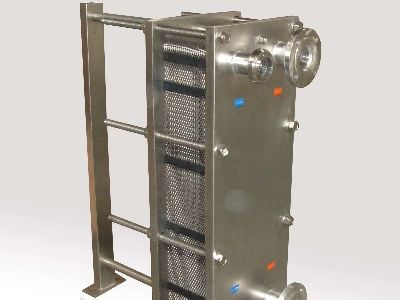
At Shanghai Changlong, we provide advanced CIP systems designed to help food processing facilities achieve efficient, reliable, and compliant cleaning operations. Heat Exchanger
Where to Find Reliable CIP Solutions for Food Manufacturing
Choosing the right CIP system starts with selecting an experienced supplier that understands the unique requirements of the food processing industry.
Shanghai Changlong offers a wide range of CIP solutions suitable for dairy, beverage, brewery, juice, condiment, and other food production applications. Our systems are designed for efficient cleaning, simple operation, and dependable performance.
When selecting a CIP solution, consider the following:
Compatibility with your production equipment
Cleaning capacity and automation level
Water and chemical consumption
Ease of operation and maintenance
Technical support and after-sales service
Working with an experienced manufacturer ensures that your cleaning system is properly matched to your production process. Our engineering team works closely with customers to recommend the most suitable CIP configuration while providing installation guidance, operator training, and ongoing technical support. Plate Sterilizer Series
Common CIP System Challenges and How to Overcome Them
Although CIP systems greatly simplify cleaning operations, several common issues can reduce their effectiveness if not properly managed.
One common problem is inadequate cleaning performance. This may result from incorrect cleaning temperatures, insufficient flow rates, improper cleaning cycles, or unsuitable cleaning chemicals.
Another challenge is operator error. Without proper training, employees may use incorrect settings or skip important cleaning procedures.
To improve cleaning performance, food manufacturers should:
Follow manufacturer-recommended cleaning procedures
Use the correct cleaning chemicals for each application
Regularly inspect pumps, valves, sensors, and pipelines
Monitor cleaning temperatures, flow rates, and cycle times
Provide ongoing operator training
Preventive maintenance is equally important. Routine inspections help identify worn components before they affect cleaning performance, reducing unexpected downtime and maintaining consistent sanitation standards. Tubular Sterilizer Series
Encouraging operators to report issues promptly also helps resolve problems quickly and continuously improve cleaning efficiency.
How CIP Systems Improve Quality Control in Food Processing
CIP systems play a critical role in maintaining consistent product quality throughout food manufacturing operations.
After each production cycle, processing equipment may contain food residues, bacteria, or other contaminants. CIP systems automatically circulate heated water, cleaning solutions, and sanitizing agents throughout tanks, pipes, heat exchangers, and processing equipment to remove these residues thoroughly.
Consistently clean equipment offers several important benefits:
Reduces the risk of cross-contamination
Maintains consistent product flavor and quality
Prevents microbial growth
Improves production efficiency
Supports food safety compliance
For example, if equipment used to produce one flavor of beverage is not cleaned properly before producing another, residual product may alter the taste of the next batch. Effective CIP cleaning eliminates this risk while ensuring product consistency. Homogenizer
In addition, CIP systems help manufacturers comply with food safety regulations and quality management standards, giving customers greater confidence in the products they purchase.
Shanghai Changlong's CIP systems are designed to provide reliable cleaning performance while supporting strict hygiene requirements across a wide range of food processing applications.
How to Choose the Right CIP System for Your Food Production Facility
Selecting the right CIP system depends on the specific needs of your production facility.
Important factors to evaluate include:
Production capacity
Equipment configuration
Types of food products processed
Required cleaning frequency
Level of automation
Water and energy efficiency
Modern CIP systems often include automated cleaning programs that reduce manual intervention while ensuring repeatable cleaning performance. Intelligent control systems can monitor cleaning parameters, record cleaning data, and verify that every cycle meets required sanitation standards.
Choosing a supplier with extensive food industry experience is equally important. Look for manufacturers that provide engineering consultation, installation assistance, operator training, maintenance support, and responsive customer service.
Shanghai Changlong offers customized CIP solutions that help food manufacturers improve operational efficiency while maintaining the highest standards of hygiene and product safety.
Future Trends Shaping CIP Systems in the Food Industry
CIP technology continues to evolve as food manufacturers seek greater efficiency, sustainability, and process control.
One of the biggest trends is increased automation. Modern CIP systems can automatically control cleaning sequences, chemical dosing, temperature, and rinse cycles, reducing operator involvement while improving consistency.
Sustainability is another major focus. New CIP technologies are designed to reduce water consumption, minimize chemical usage, and lower energy requirements without compromising cleaning performance. These improvements help manufacturers reduce operating costs while supporting environmental goals. Vacuum Degasser
Digital monitoring and data collection are also becoming standard features. Advanced CIP systems can record cleaning cycle information, monitor system performance in real time, and generate reports for quality assurance and regulatory compliance.
Predictive maintenance is another emerging capability. By continuously monitoring pumps, valves, sensors, and other components, intelligent systems can identify potential maintenance needs before failures occur, reducing downtime and improving equipment reliability. CIP system and Processing line
At Shanghai Changlong, we continue to develop advanced CIP solutions that combine automation, resource efficiency, and intelligent monitoring to help food manufacturers maintain safe, efficient, and sustainable production operations.
Table of Contents
- Why CIP Systems Are Essential for Modern Food Processing Plants
- Where to Find Reliable CIP Solutions for Food Manufacturing
- Common CIP System Challenges and How to Overcome Them
- How CIP Systems Improve Quality Control in Food Processing
- How to Choose the Right CIP System for Your Food Production Facility
- Future Trends Shaping CIP Systems in the Food Industry