 EN

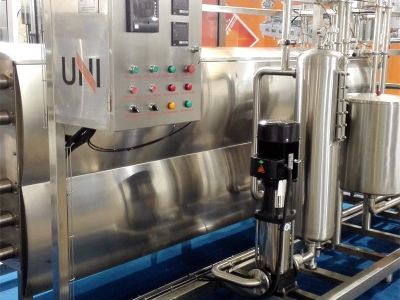
Choosing the right pasteurizer for your factory is an important step in ensuring the quality and safety of food and beverage products. Understanding plate pasteurizers and tubular pasteurizers can help managers compare risks and benefits in their own operations. In this article, we will discuss "Plate vs. Tubular Pasteurizer: Which Suits Your Factory?" to help you make your decision. For teams looking ahead, sourcing pasteurizers and installation of pasteurizers will be important steps to plan. We will provide information on the key differences between plate and tubular pasteurizers, as well as aspects of efficiency, cost, and installation that are important to B2B buyers such as purchasing managers and product managers.
Choosing Between Plate and Tubular Pasteurizers for Your Factory
Plate and tubular pasteurizers are both used to kill pathogenic microorganisms in products, but each has its own characteristics. Plate pasteurizers often fit compact spaces, while tubular pasteurizers handle thicker mixtures more reliably. Sizing matters for whether you choose plate pasteurizers or tubular pasteurizers in a given line. A plate pasteurizer consists of multiple plates stacked together through which liquid flows, while a tubular pasteurizer has cylindrical tubes that contain the product.
The plate pasteurizer is more compact and easier to install, allowing for higher throughput in a smaller space. A plate pasteurizer can save floor area and allow quick upgrades. It is ideal for factories with limited space or those requiring fast processing. For tougher sauces or dense creams, tubular pasteurizers provide steady heat and robust flow. On the other hand, the tubular pasteurizer is more suitable for thick or viscous products, as its design allows for higher pressure and heat transfer efficiency
When choosing, consider the type of product to be pasteurized, the space in your factory, and the throughput required. Knowing plate pasteurizers or tubular pasteurizers in advance can guide your sourcing pasteurizers plan and installation of pasteurizers later. A clear plan helps the team choose the right equipment with less downtime. The right choice will help not only maintain the quality of your product but also improve your operation.
How to Compare the Efficiency of Plate vs. Tubular Pasteurizers?
To compare the efficiency of plate and tubular pasteurizers, several technical aspects need to be considered. In practice, the heat transfer property matters most for throughput and energy use when choosing plate pasteurizers or tubular pasteurizers. The heat transfer coefficient, which describes how quickly heat is transferred from the heating medium to the product, is an important metric. Plate pasteurizers typically have a higher heat transfer coefficient than tubular pasteurizers due to the larger surface area exposed to heat. Sourcing pasteurizers from a reliable supplier can make sure the system matches your process goals.
You should also look at the pressure drop in each system. A lower pressure drop in tubular pasteurizers can help projects stay within budget. In a plate pasteurizer, a higher pressure drop can result in more energy consumption, while a tubular pasteurizer typically has a lower pressure drop, resulting in lower operational costs.
An important part of the comparison is the ability to customize the system to your needs. Customization matters for plate pasteurizers and tubular pasteurizers alike, especially when a factory needs to fit existing lines. Modern plate pasteurizers often have advanced control systems that allow for more precise monitoring and control of temperature and flow, which helps increase operational efficiency.
Sourcing Quality Pasteurizers
When sourcing pasteurizers, it is important to look to manufacturers with a reputation and experience in the industry. For reliable sourcing pasteurizers, choose a local partner that can also assist with installation of pasteurizers. Shanghai Changlong Industrial Equipment Co., Ltd., established in 1996, specializes in plate and multi tubular heat exchanger type heat exchangers and pasteurization systems. Plate pasteurizers and tubular pasteurizers are common products from such makers. Their expertise and experience can help you find the right solution for your needs.
Understanding the Cost Factors of Plate and Tubular Pasteurizers
The costs of plate and tubular pasteurizers can vary based on several factors. When you look at price, consider both plate pasteurizers and tubular pasteurizers and how long they last. The main aspects that contribute to the cost include:
Material Costs: The materials used in the construction of a pasteurizer have a significant impact on the price. Material costs for plate pasteurizers andheat exchanger tubular pasteurizers can vary, but both need durable steel. Stainless steel is commonly used for pasteurizers due to its corrosion resistance and hygiene properties. Design Complexity: More complex designs, such as multi-stage systems, can because higher operating costs Operational Costs: Consider electricity and maintenance costs. Plate pasteurizers, although higher in initial investment, can save costs in operational efficiency in the long run.
It is also important to consider long-term costs versus the initial investment. This is a key part of the sourcing pasteurizers decision, since long term costs matter. Factories should plan not only for the initial cost but also for future operational costs.
Installation Insights for Plate and Tubular Pasteurizers
Proper installation of pasteurizers is critical for their efficient operation. The installation of pasteurizers should always start with clear plans for both plate pasteurizers and tubular pasteurizers. When installing a plate pasteurizer, it is important to consider proper plate alignment to ensure optimum product flow. Sourcing pasteurizers advice and after sales support help during installation of pasteurizers. Manufacturers such as Shanghai Changlong offer detailed installation manuals and support to assist clients.
For tubular pasteurizers, consider aspects such as: In many plants, tubular heat exchanger pasteurizers require careful pipe routing to prevent pressure loss during installation.
Pipe Connections: Ensure piping connections are properly installed to prevent leaks and pressure loss. Good installation of plate pasteurizers or tubular pasteurizers also depends on the layout and nearby equipment. Space Requirements: Ensure there is sufficient space for maintenance and operation. Tubular systems may require more space than plate systems.
It is also important to involve technical experts in the installation process to ensure that all systems are configured according to industry standards and product requirements. During installation of pasteurizers, having experts on hand helps with testing and fine tuning. Proper installation will help maximize the performance of your pasteurizers.
By understanding the aspects of plate and tubular pasteurizers, you can make a more informed decision that will help your factory. This knowledge also supports good sourcing pasteurizers practices and a smoother installation of pasteurizers. Be sure to consult with experts and reputable manufacturers to get the right solution that fits your needs.