 EN

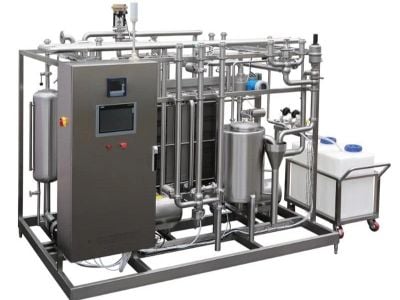
Choosing the right pasteurizer for dairy processing line
Pasteurization is an important process in the milk processing industry, which aims to kill harmful microbes and extend the shelf life of products. Such choices impact the dairy processing line performance, the reliability of the pasteurizer supplier, and the efficiency of the pasteurization process over time. When choosing the right pasteurizer supplier for your dairy processing line, B2B buyers should consider many factors, such as technical specifications, supplier quality, and common problems that may be encountered. In this article, we will discuss how to choose the right pasteurizer to meet your milk processing needs.
How to choose the right pasteurizer for your dairy processing line?
Choosing the right pasteurizer should not be taken lightly. The first step is to understand your production needs. Understanding the dairy pasteurizer options for your dairy processing line helps align the pasteurization process with local rules and your production schedule. Consider the type of milk and products you will be processing, as well as the production volume. It is also important to look at the required pasteurization temperatures and times in accordance with the regulations in your region.
Key specifications to consider when choosing a dairy pasteurizer
There are many technical specifications to consider when choosing a pasteurizer. Here are some of the key aspects:
Understanding the pasteurizer choices in relation to your dairy processing line can help optimize the pasteurization process and balance energy use.
Pasteurizer Type: There are different types of dairy pasteurizers such as batch, continuous, and plate heat exchangers. The choice depends on your process and production volume Temperature and Time: The temperatures required for pasteurization vary. This is important because the wrong temperature or time can result in inadequate pasteurization. Capacity: The capacity of the dairy pasteurizer should be appropriate for the amount of milk you are processing. This should be expressed in liters per hour, and take into account the peak demands of your operation. Materials: Make sure the materials used in the dairy pasteurizer machine are not harmful to health and meet food regulations. Improper materials can cause contamination Choosing these materials with proven safety records supports the dairy processing line uptime and keeps the pasteurization process safe for the dairy pasteurizer from unexpected problems. Energy Impact: Make sure that the dairy pasteurizer is energy-efficient to help reduce operating costs
What makes a pasteurizer supplier reliable?
Having a reliable pasteurizer supplier is just as important as choosing the right pasteurizer. Here are some features to look for:
Beyond the name, a good pasteurizer supplier should also provide continuous support for dairy processing line upgrades and offer clear service terms for the pasteurization process.
Experience and Reputation: Choose a pasteurizer supplier with a long history in the industry and a good reputation for their products. Shanghai Changlong Industrial Equipment Co., Ltd., for example, has over 25 years of experience in manufacturing dairy processing line equipment. Customer Service: Good customer service is important, especially if issues arise after the purchase. Having access to technical support and service is important. Certifications: Having international certifications shows recognition of the quality of their products. Customization: The supplier’s ability to customize the product according to your needs is a big advantage.
Which is best for your needs?
When choosing a pasteurizer, it is important to consider the specific needs of your business. If you process different types of milk or other dairy products, you may need a pasteurizer that is capable of providing different pasteurization temperatures and times. Choosing the right arrangement for your dairy processing line can influence the pasteurization process and ease of maintenance of the pasteurizer.
Also ensure that maintenance and support facilities are easily accessible. Suppliers who offers demos or trial periods for their dairy pasteurizers can help you determine if their product is suitable for your operation.
Common problems with dairy pasteurizers and their solutions
Uneven Temperature: If the pasteurizer is not providing the correct temperature, it can result in inadequate pasteurization. Make sure that the sensors and controls are in good condition and calibrated regularly. Clogged Tubes: The pasteurizer tubes can become clogged with residue or buildup. Regular cleaning and maintenance are key to preventing this. Energy Loss: If the pasteurizer is not energy-efficient, it can lead to high operating costs. Consider models with advanced energy-saving features. Slow Turnaround Time: If the flash pasteurizer is slow, it can cause a bottleneck in your production line. Choose a model that suits your production capacity and peak demands. Regular checks help prevent uneven temperature and energy loss, supporting the dairy processing line and the smooth pasteurization process.
Overall, the right pasteurizer is essential for effective milk processing. By understanding the technical aspects and considering key factors, you can find a solution that will not only meet your current needs but also those of the future. A well-chosen solution supports the dairy processing line production and ensures the pasteurization process and pasteurizer operate smoothly today and tomorrow.
Table of Contents
- Choosing the right pasteurizer for dairy processing line
- How to choose the right pasteurizer for your dairy processing line?
- Key specifications to consider when choosing a dairy pasteurizer
- What makes a pasteurizer supplier reliable?
- Which is best for your needs?
- Common problems with dairy pasteurizers and their solutions